Theater Oberhausen SZ 2025/26
Theater Oberhausen SZ 2025/26
Theater Oberhausen SZ 2025/26
Performing Arts
Performing Arts
Performing Arts
Illustration
Illustration
Illustration
Posters
Posters
Posters
Culture
Culture
Culture
2025
2025

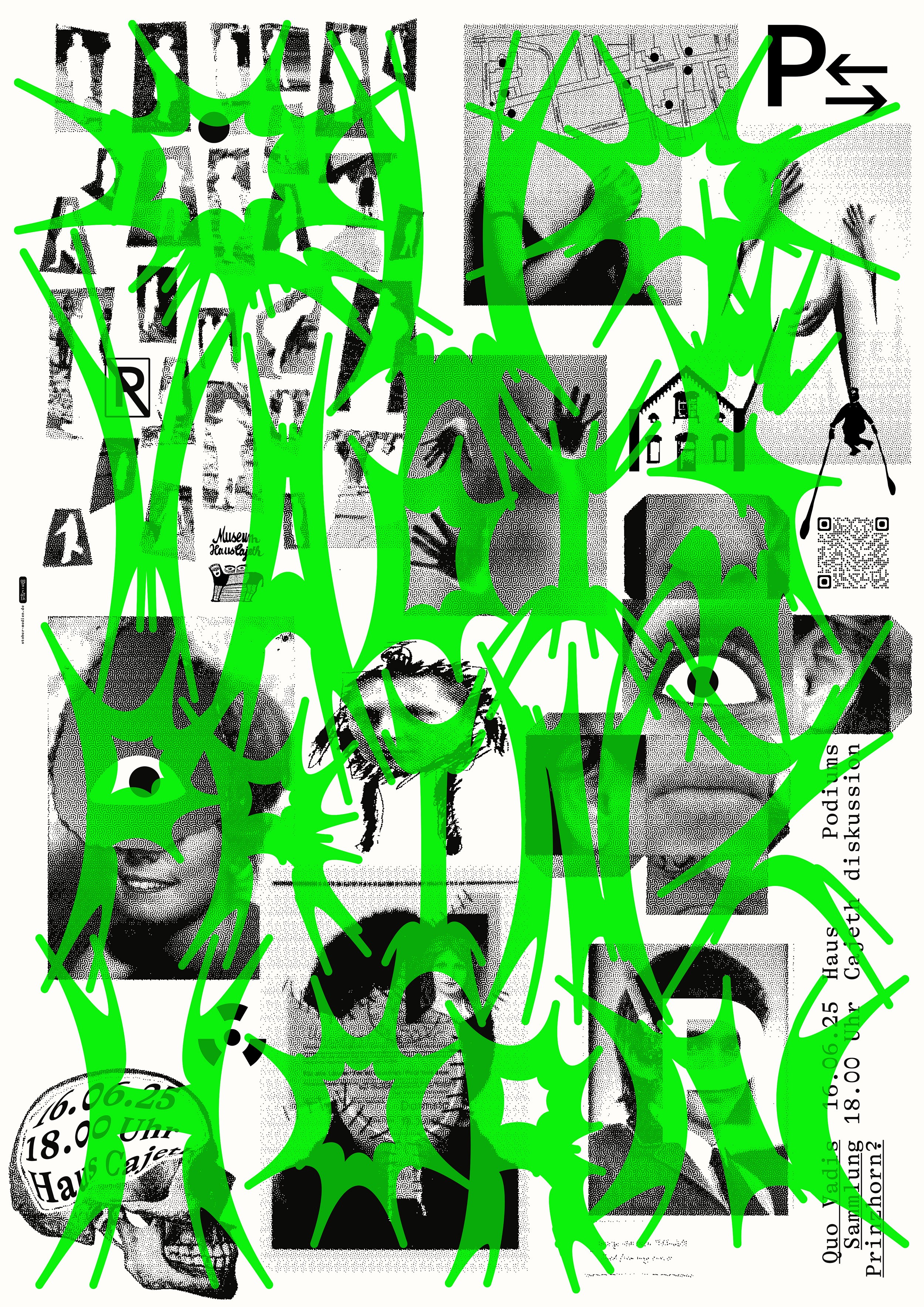
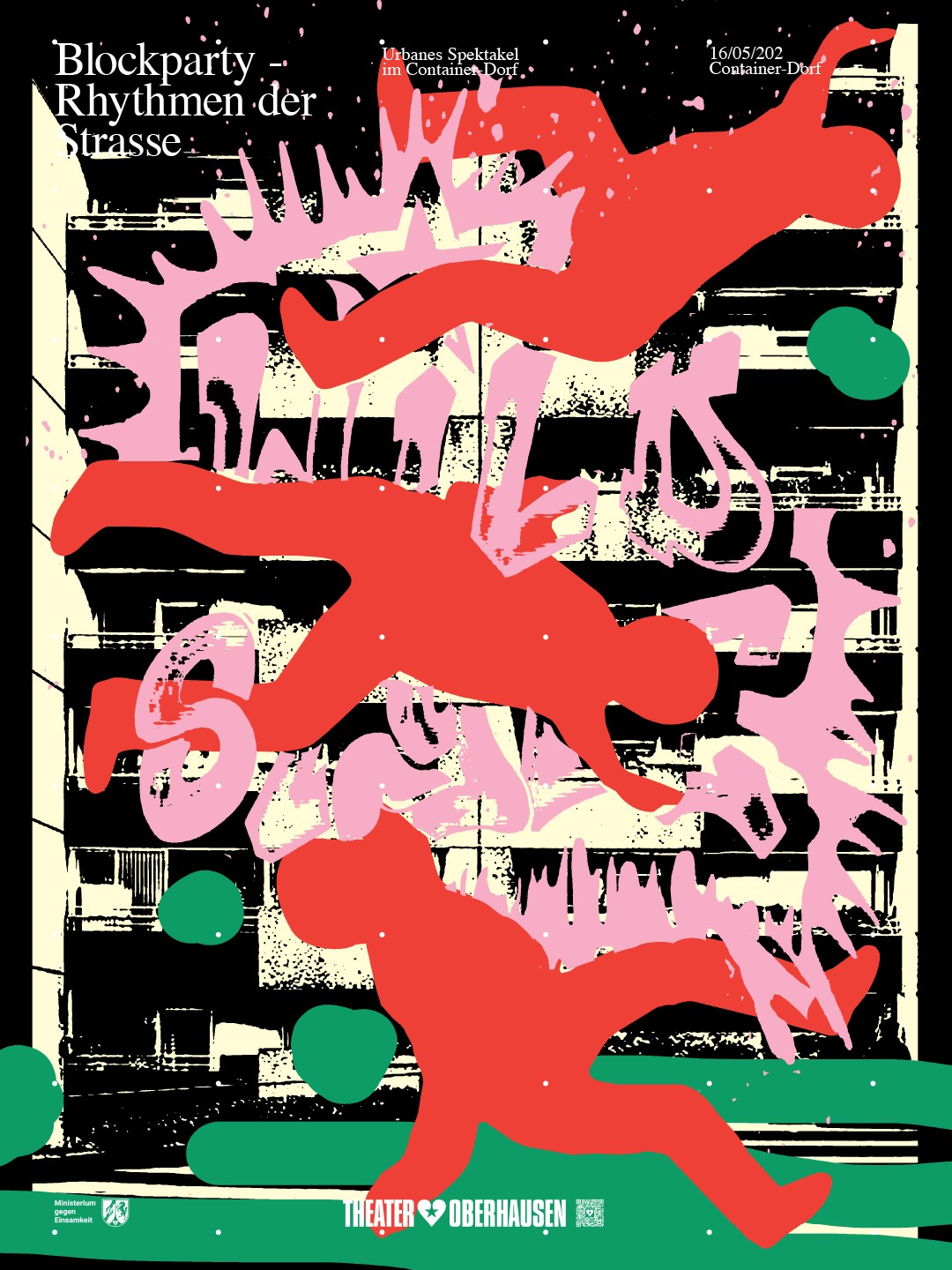
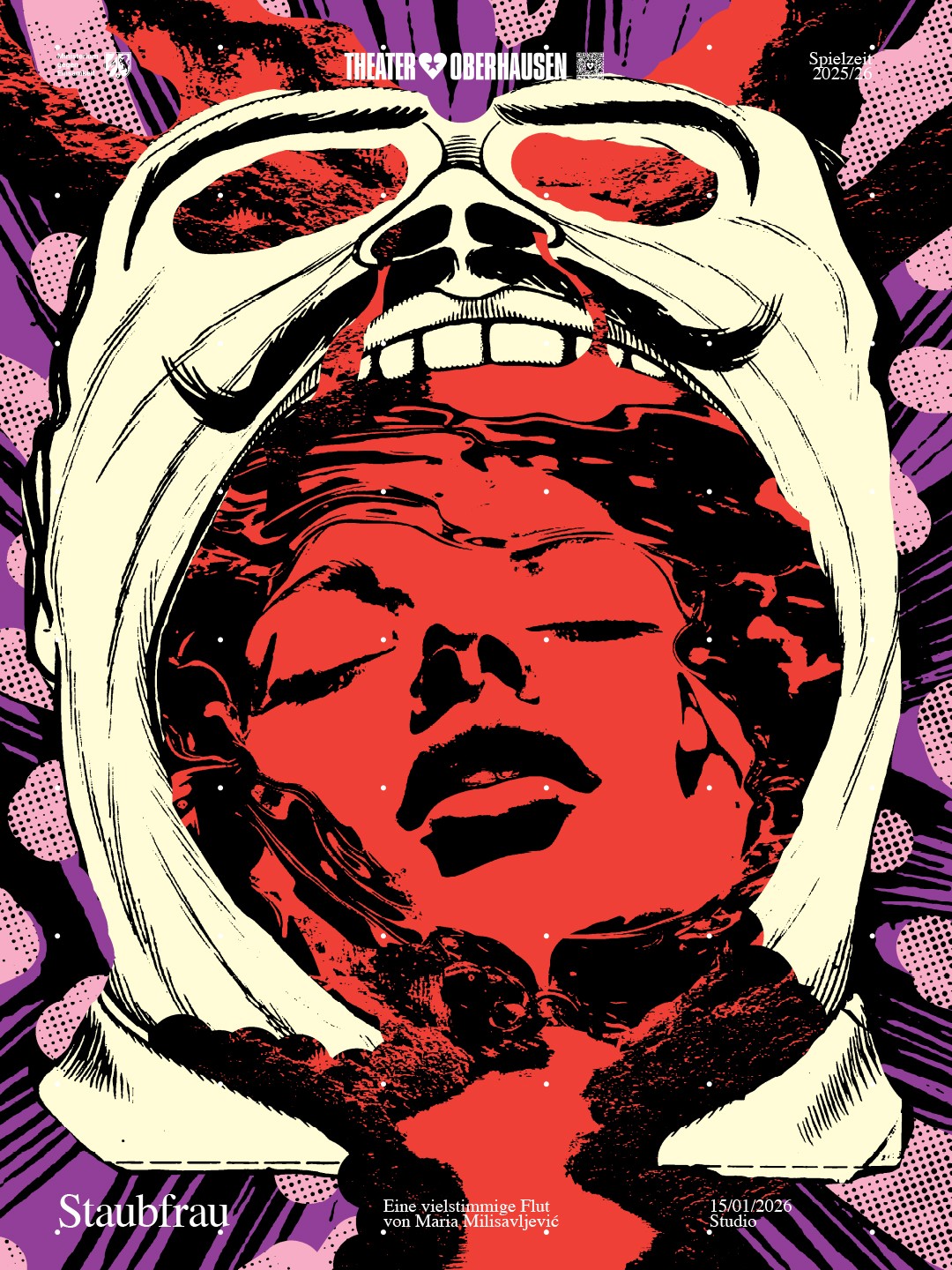
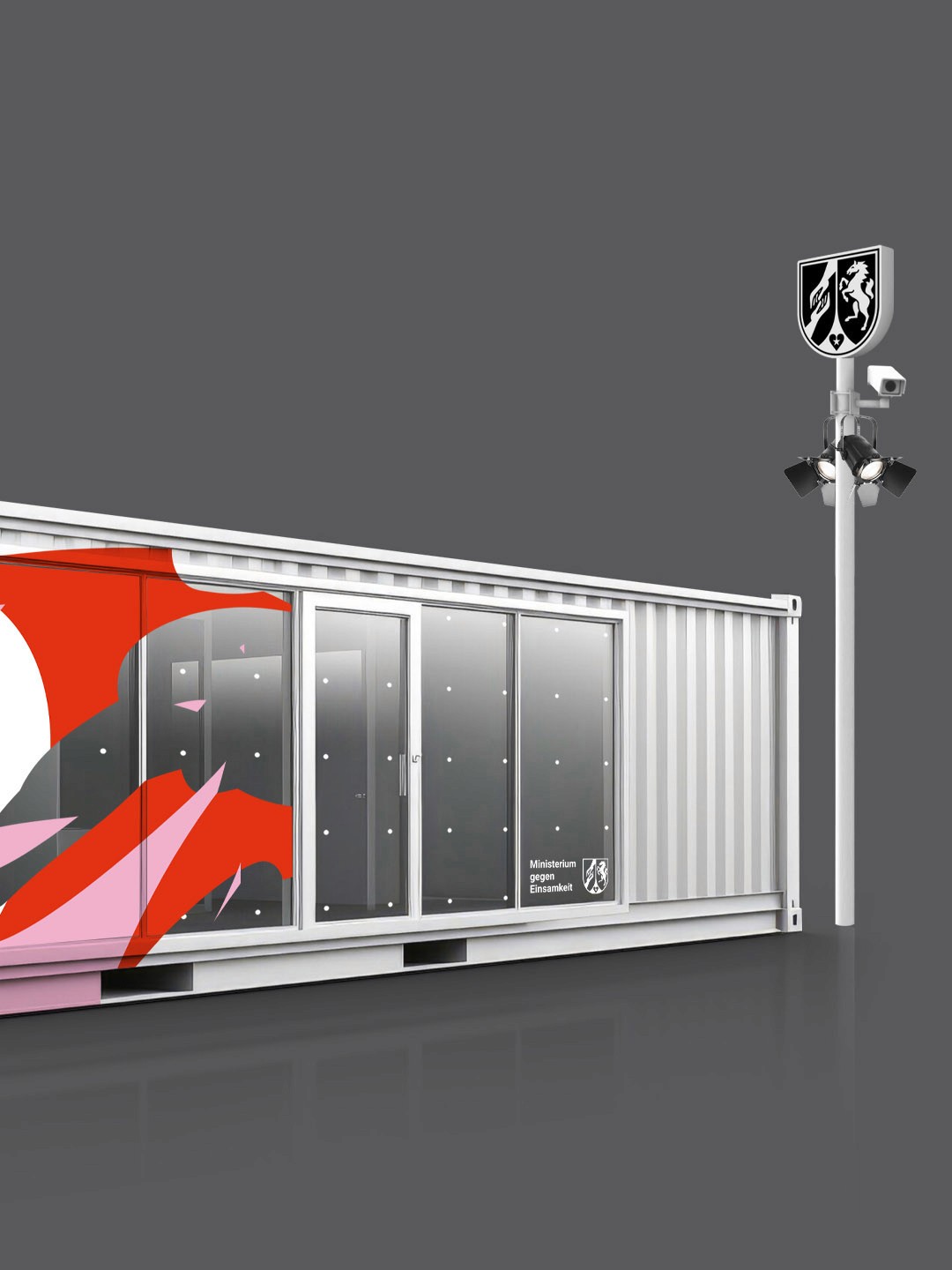
The 25/26 season emerges from a society suspended in fog: atomised, hypersensitive and increasingly unable to sustain dialogue across hardened ideological frontiers. In response, the theatre declares itself the MINISTERIUM GEGEN EINSAMKEIT — a fictional institution confronting loneliness not as a private failure, but as a defining cultural and political condition of our time. The season explores fragile togetherness in an era marked by polarisation, retreat and emotional exhaustion. Positioned between urban reality and artistic imagination, the theatre becomes a space of resistance against social disintegration — a place where contradiction, vulnerability and proximity are staged collectively rather than avoided. Visually, the identity abandons the restrained severity of the previous season in favour of a far more emotional and confrontational language. Expressive layering, aggressive contrasts, stark imagery and charged colours create a world that feels unstable, overdriven and seductive at once. The aesthetic draws from emotional overload, pop and punk agitation, and collective longing. Familiar visual codes are distorted and pushed into excess; shapes dissolve, surfaces vibrate, messages collide. Intimacy and alienation, warmth and aggression, melancholy and ecstasy coexist simultaneously. The result is a visual identity that rejects neutrality in favour of direct emotional and physical impact. At its core lies the belief that culture must once again become a space of genuine encounter. The season calls for participation, friction and shared intensity instead of passive consumption. Each production received an individual key visual developed closely with the theatre team, translating its emotional and dramaturgical themes into a distinct yet seasonally connected visual language.
The 25/26 season emerges from a society suspended in fog: atomised, hypersensitive and increasingly unable to sustain dialogue across hardened ideological frontiers. In response, the theatre declares itself the MINISTERIUM GEGEN EINSAMKEIT — a fictional institution confronting loneliness not as a private failure, but as a defining cultural and political condition of our time. The season explores fragile togetherness in an era marked by polarisation, retreat and emotional exhaustion. Positioned between urban reality and artistic imagination, the theatre becomes a space of resistance against social disintegration — a place where contradiction, vulnerability and proximity are staged collectively rather than avoided. Visually, the identity abandons the restrained severity of the previous season in favour of a far more emotional and confrontational language. Expressive layering, aggressive contrasts, stark imagery and charged colours create a world that feels unstable, overdriven and seductive at once. The aesthetic draws from emotional overload, pop and punk agitation, and collective longing. Familiar visual codes are distorted and pushed into excess; shapes dissolve, surfaces vibrate, messages collide. Intimacy and alienation, warmth and aggression, melancholy and ecstasy coexist simultaneously. The result is a visual identity that rejects neutrality in favour of direct emotional and physical impact. At its core lies the belief that culture must once again become a space of genuine encounter. The season calls for participation, friction and shared intensity instead of passive consumption. Each production received an individual key visual developed closely with the theatre team, translating its emotional and dramaturgical themes into a distinct yet seasonally connected visual language.
The 25/26 season emerges from a society suspended in fog: atomised, hypersensitive and increasingly unable to sustain dialogue across hardened ideological frontiers. In response, the theatre declares itself the MINISTERIUM GEGEN EINSAMKEIT — a fictional institution confronting loneliness not as a private failure, but as a defining cultural and political condition of our time. The season explores fragile togetherness in an era marked by polarisation, retreat and emotional exhaustion. Positioned between urban reality and artistic imagination, the theatre becomes a space of resistance against social disintegration — a place where contradiction, vulnerability and proximity are staged collectively rather than avoided. Visually, the identity abandons the restrained severity of the previous season in favour of a far more emotional and confrontational language. Expressive layering, aggressive contrasts, stark imagery and charged colours create a world that feels unstable, overdriven and seductive at once. The aesthetic draws from emotional overload, pop and punk agitation, and collective longing. Familiar visual codes are distorted and pushed into excess; shapes dissolve, surfaces vibrate, messages collide. Intimacy and alienation, warmth and aggression, melancholy and ecstasy coexist simultaneously. The result is a visual identity that rejects neutrality in favour of direct emotional and physical impact. At its core lies the belief that culture must once again become a space of genuine encounter. The season calls for participation, friction and shared intensity instead of passive consumption. Each production received an individual key visual developed closely with the theatre team, translating its emotional and dramaturgical themes into a distinct yet seasonally connected visual language.
The 25/26 season emerges from a society suspended in fog: atomised, hypersensitive and increasingly unable to sustain dialogue across hardened ideological frontiers. In response, the theatre declares itself the MINISTERIUM GEGEN EINSAMKEIT — a fictional institution confronting loneliness not as a private failure, but as a defining cultural and political condition of our time. The season explores fragile togetherness in an era marked by polarisation, retreat and emotional exhaustion. Positioned between urban reality and artistic imagination, the theatre becomes a space of resistance against social disintegration — a place where contradiction, vulnerability and proximity are staged collectively rather than avoided. Visually, the identity abandons the restrained severity of the previous season in favour of a far more emotional and confrontational language. Expressive layering, aggressive contrasts, stark imagery and charged colours create a world that feels unstable, overdriven and seductive at once. The aesthetic draws from emotional overload, pop and punk agitation, and collective longing. Familiar visual codes are distorted and pushed into excess; shapes dissolve, surfaces vibrate, messages collide. Intimacy and alienation, warmth and aggression, melancholy and ecstasy coexist simultaneously. The result is a visual identity that rejects neutrality in favour of direct emotional and physical impact. At its core lies the belief that culture must once again become a space of genuine encounter. The season calls for participation, friction and shared intensity instead of passive consumption. Each production received an individual key visual developed closely with the theatre team, translating its emotional and dramaturgical themes into a distinct yet seasonally connected visual language.
Theater Oberhausen SZ 2025/26
Performing Arts
Illustration
Posters
Culture
2026






more projects
more projects
more projects